Confession: When I start a new project, my first instinct is to open a design app and start picking fonts. It feels productive. It’s also basically shooting in the dark.5
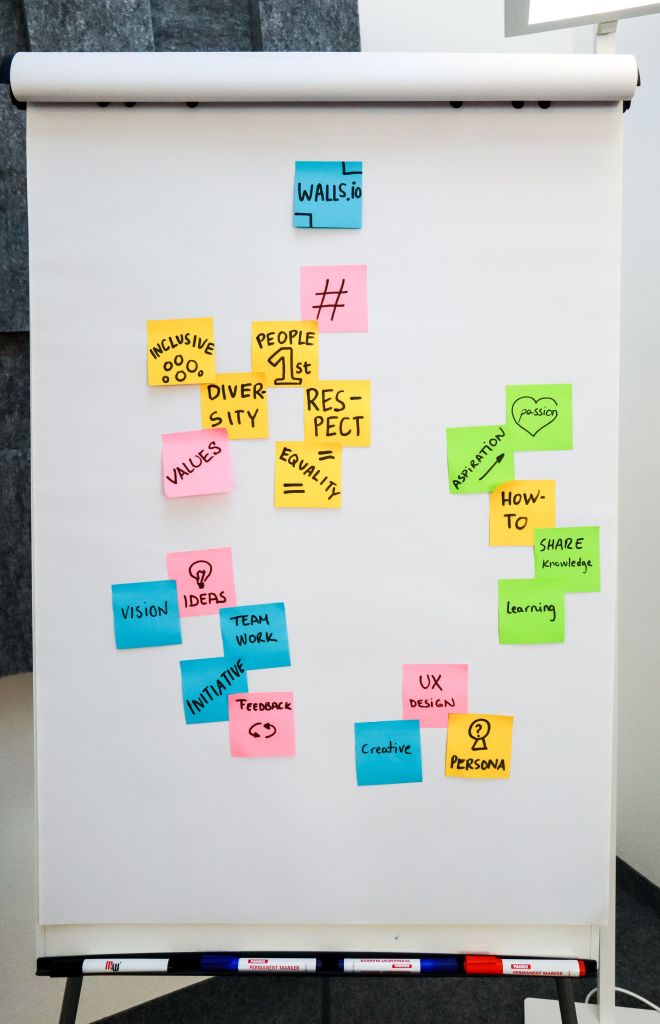
Research changes that. It gives you evidence on who your audience is, which channels they use and what genuinely interests them. That evidence has to come before the visual language does. Here’s my brainstorm of how research can shape it, question by question.
start with people, not typefaces
Before I decide how anything looks, I want to know who I’m talking to. The Communications ToolKit from SESYNC makes a point I keep coming back to: The form of communication that works for one audience might flop with another.
So my research starter kit looks like this:
- Surveys to find out who my audience is and what they care about
- Two or three one-on-one interviews (the quotes are gold)
- Social listening, to see the words people actually use
- A competitor audit, to spot what everyone else looks like (and where I can stand out)
- Personas, so I’m designing for real humans instead of “everyone”
will the visuals be type-driven or image-driven?
This is where the research pays off. My brainstorm:
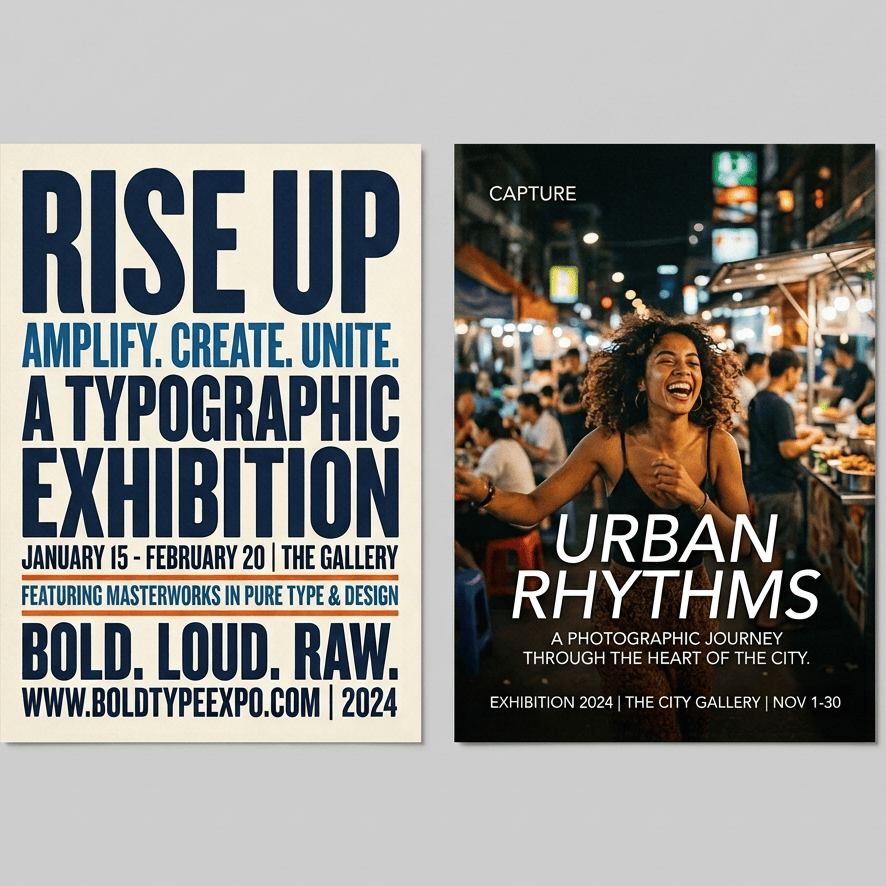
- If my audience scrolls fast on mobile, I might lean on bold, type-driven graphics that read in a second.
- If they’re emotional or story-motivated, image-driven wins. Faces and real moments build trust faster than a headline.
- If the topic is data-heavy, type and charts might carry it, with one strong image as an anchor.
- If they’re skeptics, I could test both. A quick A/B test would show me which one earns the click.
- Channel matters too. A LinkedIn audience may respond differently than an Instagram one, and research on which channels and formats people truly use keeps me from guessing.
what do the type and images mean?
I try to boil the strategy down to three “meaning words” before I design anything. For a campus wellness campaign, mine might be calm, welcoming and credible. Then everything else gets tested against them:
- Does this photo feel calm, or just empty?
- Does this typeface feel welcoming, or cold?
- Would my audience describe this design with the same three words I chose?
That last one is the research move. I could show a mood board to five people and ask them to describe it in three words. If their words don’t match mine, I have my answer before I’ve spent a dime.
the sneaky part: connotations
Every visual choice carries baggage. Here are my hypotheses to test, not rules:
- Serif fonts can suggest tradition and authority. Clean sans serifs can feel modern and approachable. Script fonts lean personal, or sometimes fussy.
- Real photos of real people tend to signal authenticity, while generic stock photos can read as fake.
- Illustration can feel friendly and less intimidating, which is great for complicated topics.
- Color shifts by culture. Red can mean danger in one place and good luck in another. If my audience is global, that’s a research question, not a design guess.
- Empty space can say “premium” or “unfinished,” depending on who’s looking.
What i’m taking away
Research doesn’t kill creativity. It aims it. As the folks at NMS put it, you can test which message or creative directions have the best chance to perform before you commit. If you want a practical starting point, this Attest webinar on using research to inform your communications strategy walks through planning and measuring impact.
So next time I feel the urge to pick a font first, I’ll do what I’m telling you to do: Ask the audience, then design.
References:
Communications Toolkit: Who Are Your Audiences? (2024, December 6). Sesync.Org. https://www.sesync.org/resources/communications-toolkit-who-are-your-audiences
Communication audience research for campaigns | NMS Market Research. (2026, January 21). NMS Market Research. https://nms.global/en/services-en/communication-media/communication-audience/
Three Ways Research Informs Communications Strategy | Attest. (2020, July 7). Attest. https://www.askattest.com/webinars/three-ways-to-utilise-research-to-inform-your-communications-strategy


Leave a Reply