
Social media has become one of the most powerful tools in public relations. It allows organizations to connect with audiences, share their stories and build relationships in ways traditional publications cannot always accomplish. After working on my social media campaign for Gaylord College of Journalism and Mass Communication, I gained a better understanding of how much strategy goes into creating content that is both visually appealing and effective.
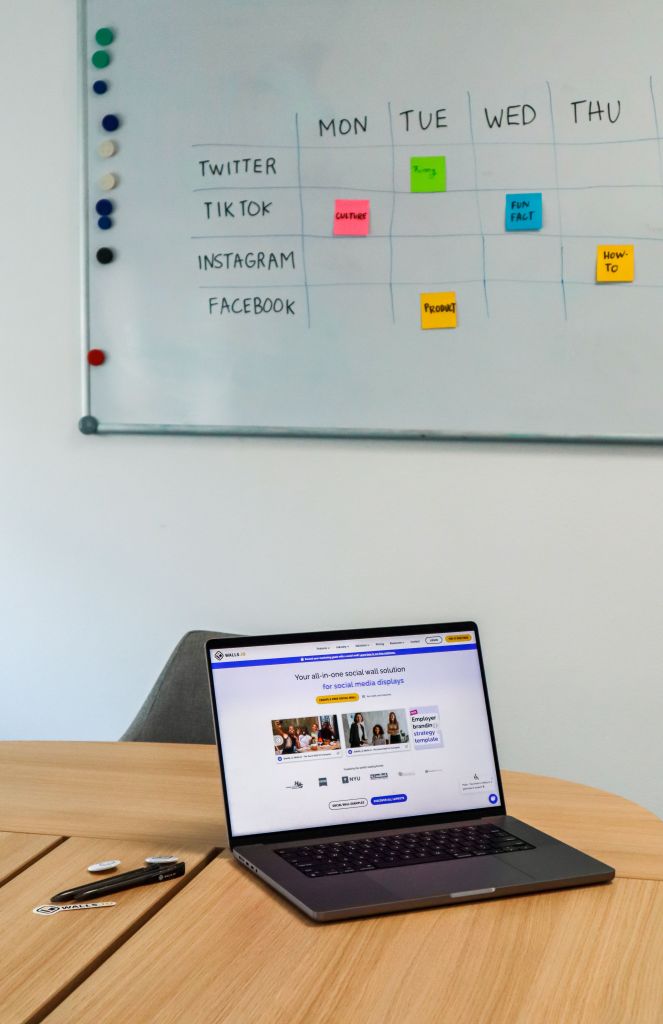
more than just a pretty post
One of the biggest takeaways from this project is that social media design involves much more than choosing a good photo and adding text. Every post should serve a purpose and contribute to the organizations overall communication goals.
For my Gaylord College campaign, I wanted to create content that would appeal to prospective students while reflecting the college’s personality and opportunities. This meant thinking about what students would actually want to see rather than simply what looked good.
Social media gives PR professionals the opportunity to communicate directly with their audiences, encourages engagement and create a consistent brand identity. However, successful campaigns require understanding the target audience, establishing a clear message and maintaining consistency across platforms.
designing with purpose
Throughout this project, I learned how important brand identity is when designing social media content. Colors, typography, imagery and messaging all work together to communicate an organizations personality.
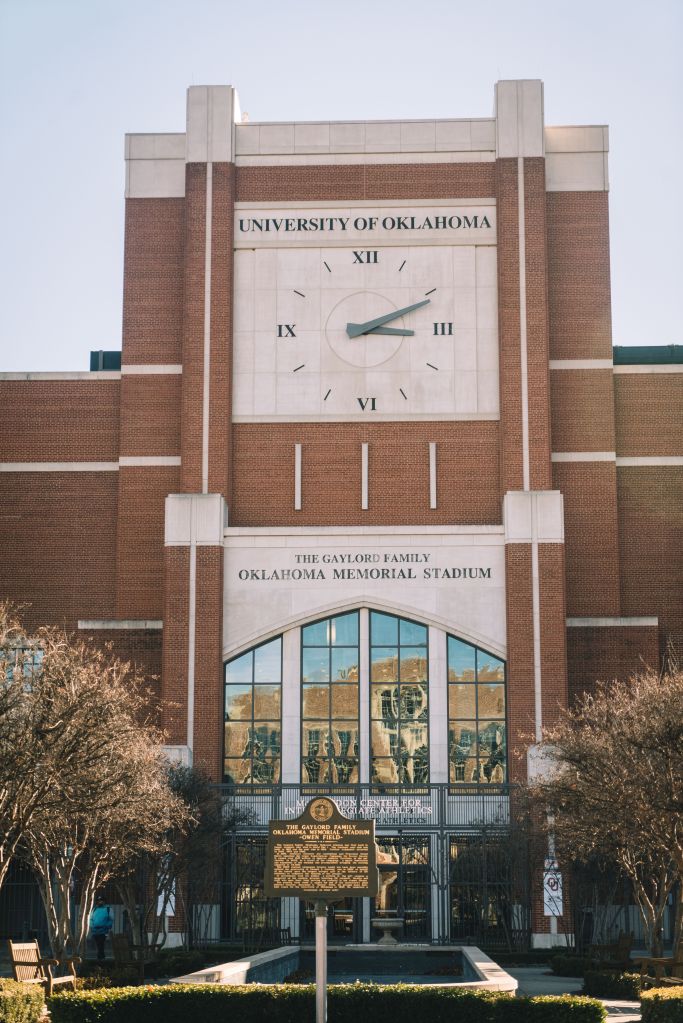
Because my campaign focused on Gaylord College, I wanted my designs to feel connected to the University of Oklahoma while still being engaging and relevant to future students. Following the OU brand guidelines helped me understand how consistent visual elements strengthen brand recognition.
I also realized that designing for different social media platforms requires flexibility. A Facebook cover photo has different dimensions and serves a different purpose than an Instagram post or story. Even when the overall message stays the same, the layout and visual hierarchy need to change.
One important lesson I learned was to keep graphics simple. Too much text or too many design elements can distract from the message. Sometimes, a strong image and a short headlines are more effective than trying to include everything in one post.
canva: a pr professional’s creative tool
One of the most useful parts of this project was working with Canva. Canva makes it easier to create professional-looking graphics without needing advanced design experience. Its templates, design elements and editing features allow PR professionals to create content efficiently while maintaining a consistent visual identity.
I especially appreciated how Canva made it possible to adapt my campaign designs for different platforms. Although resizing and adjusting layouts took some extra attention, the process helped me become more intentional about balance, spacing and readability.
For PR professionals, tools like Canva are valuable because social media often requires quick turnaround times. However, having access to design tools does not replace the need for creativity or strategy.

Ultimately, this project reminded me that effective social media campaigns are not just about producing attractive content. They are about understanding an audience, communicating a clear message and creating a recognizable brand experience. As I continue developing my PR and design skills, I know these lessons will influence how I approach future campaigns.
References
Brand. (2025). Ou.Edu. https://www.ou.edu/brand
Canva. (2025). Canva. Canva. https://www.canva.com/


Leave a Reply