
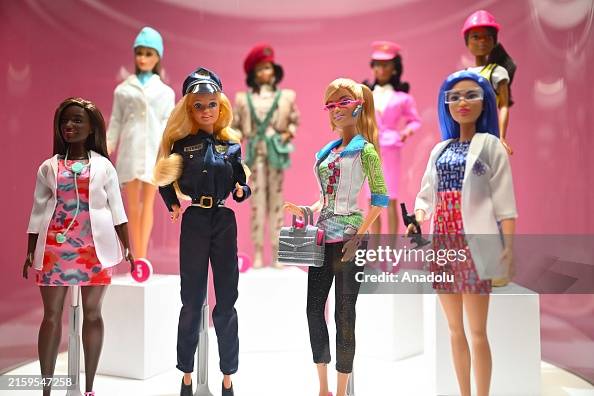
In todays world, consumers expect brands to stand for something beyond their products. Whether it’s supporting social causes, prompting inclusivity or advocating for employees, companies are constantly navigating the expectations of different stakeholders. However, the cases involving Barbie, Bud Light and Starbucks demonstrate that communicating values is only effective when those values are supported by meaningful actions. For public relations professionals, authenticity has become essential to maintaining trust.
The Importance of Authentic Brand Messaging
One of the biggest lessons from these cases is that audiences can recognize when a company’s messaging feels genuine. Barbies successful rebranding demonstrated how brands can evolve alongside changing social expectations. By embracing conversations about gender roles and representation, Barbie connected with audiences beyond its traditional consumers (Luttrell & Welch, 2023).
However, not every attempt at inclusive messaging receives the same response. Bud Light’s partnership with Dylan Mulvaney demonstrated how quickly brands can face backlash when addressing controversial social issues (The Anheuser-Busch Response, n.d.).
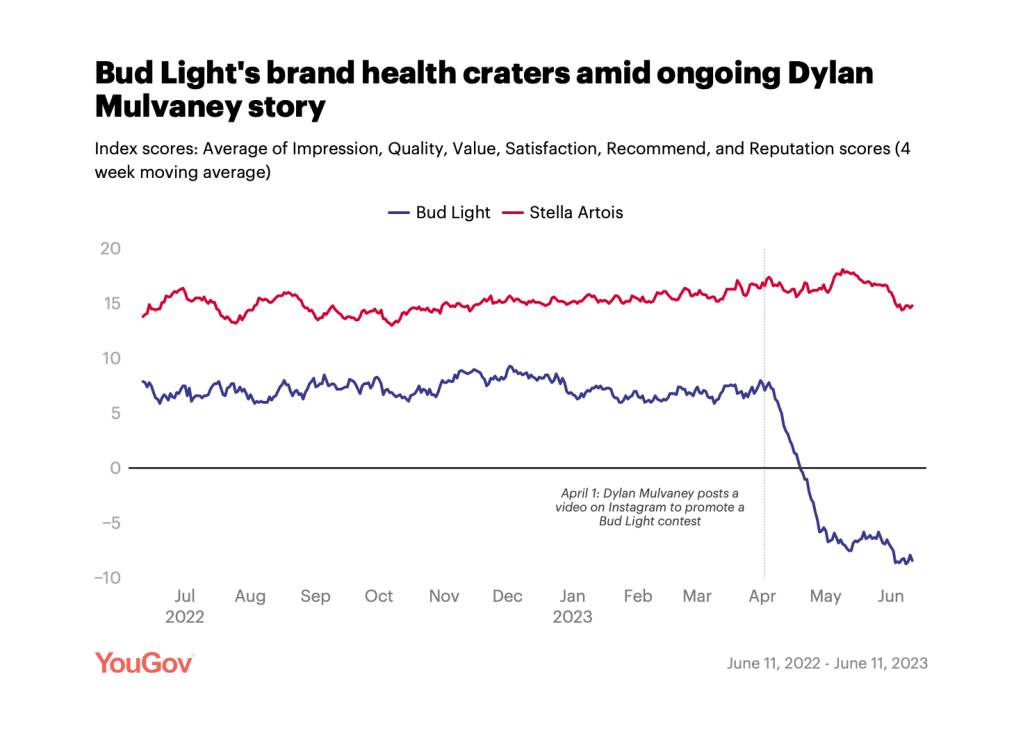
Research by Diwnji et al. (2025) further explains how consumers respond negatively to rainbow-washing, especially when companies promote inclusivity without demonstrating genuine commitment.
According to Pew Research Center, Americans remain divided on whether companies should publicly address political and social issues (Cheng & Horowitz, 2025). This reinforces why brands must understand their stakeholders before developing campaigns.
Why Actions Matter More Than Words
Another important takeaway is that publics relations cannot fix problems that organizations are unwilling to address internally. Starbucks’ unionization challenges demonstrated how a company’s reputation can suffer when employees feel their experiences do not reflect the organization’s public messaging.
I think this is especially important because employees are often some of a company’s most influential stakeholders. If they do not believe in the organization’s values, convincing consumers becomes much harder.
The Public Relations Society of America also emphasizes that brands risk losing credibility when public statements are not supported by meaningful action (Wilson, 2021).
Building Trust Through Consistency
Ultimately, these cases show that successful public relations requires more than creative campaigns or carefully written statements. Organizations must understand their audiences, communicate transparently and remain consistent in their commitments.
What stood out to me most is that authenticity cannot simply be created through advertising. It has to be demonstrated through everyday decisions. As future PR professionals, our responsibility should be to help organizations build genuine relationships rather than simply protect their image. When companies prioritize actions over appearances, they create stronger connections that can withstand criticism and change.
References
Beshay. (2025, August 5). Americans divided on whether companies should make statements about political, social issues. Pew Research Center. https://www.pewresearch.org/short-reads/2025/08/05/americans-divided-on-whether-companies-should-make-statements-about-political-social-issues/
Making meaningful brand statements. (2026). Www. https://www.prsa.org/article/making-meaningful-brand-statements


Leave a Reply