
Every communicator has a great idea. Far fewer can prove it works. Four health campaigns, from teen sexual health in Mississippi to zombies at the CDC, share one lesson: A strategy is only a hypothesis, and audience research is how you can find out whether you’re right.
Audience Assumptions Can Sink a Campaign
The team behind FactNotFiction assumed low-income Mississippi teens wouldn’t have smartphones, so the site launched without a mobile version. Analytics told a different story. Mobile devices accounted for 71% of visits, and 79% of mobile users left after one page (Ragsdale et al., 2015). After the team rebuilt the site on Tumblr, average visit time jumped from 0.47 to 2.32 minutes. The fix matched reality, since Pew Research Center (2024) found that 46% of teens are online “almost constantly.
Teens will also tell you when a message misses. In a focus group for #WhatIDidInstead, they dismissed statistics-heavy posters (“Peer pressure is real”) but liked the interactive hashtag (Field-Springer).
Creativity Needs a Scoreboard
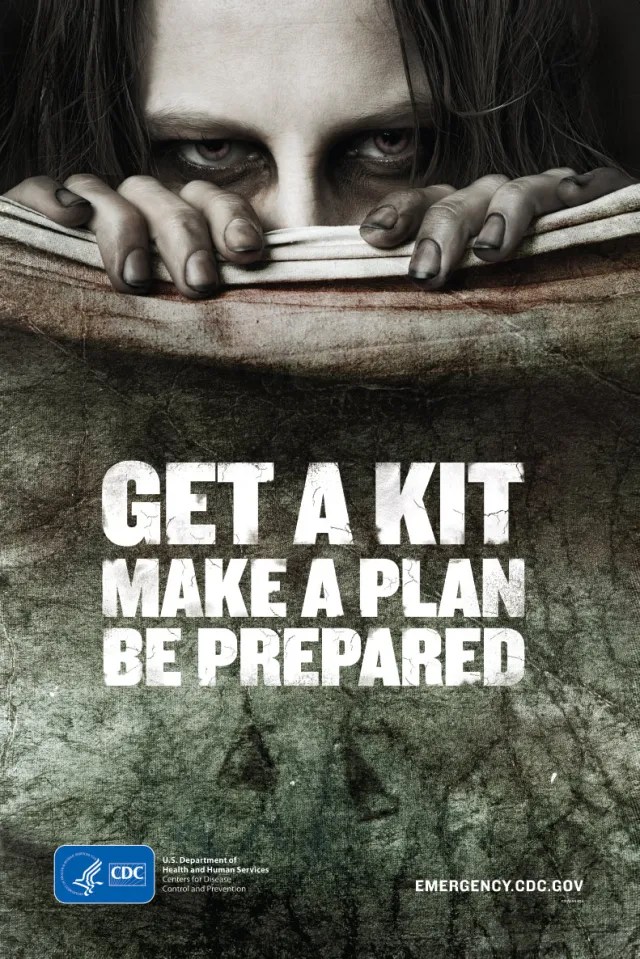
The CDC’s zombie apocalypse campaign started with a $87 stock photo and drew more than 4.8 million blog views. The catch is that the team never conducted baseline research or set measurable goals, so nobody could say whether people actually prepared for emergencies (Kruvand & Silver, 2013).
Compare that with Not One Type. Genentech and Living Beyond Breast Cancer surveyed 1,000 women first and learned that only one in three felt knowledgeable about the types of breast cancer. They then set benchmarks and beat them, with influencer content earning 3.15% engagement rate against a 2% goal (PRSA, 2020).

Measurement can also show that persuasion works. Medicare’s open enrollment campaign ran surveys before and after, and people exposed to earned media coverage were 2.3 times more likely to take action (Weiner). A big budget isn’t required, either. PRSA’s Weiner (2022) notes that simple methods can still deliver meaningful insights.
The Takeaway: Test, Target, Track
Three habits tie these cases together:
- Test your assumptions with real audience members, before and after launch.
- Target behavior, not just buzz.
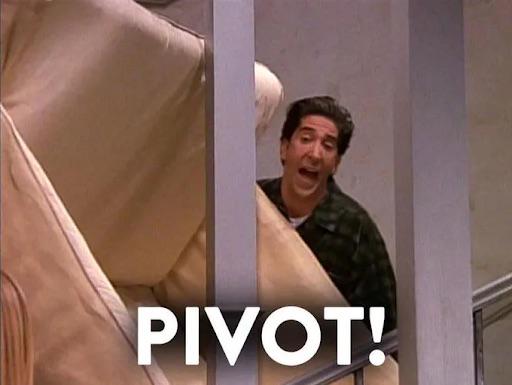
- Track your results and be ready to pivot.
Zombies earned attention, but attention isn’t the same as preparedness. The strongest campaigns here treated research as a conversation with the audience rather than a box to check. Before pitching your next big idea, ask the question the CDC team asked afterward: did we actually change behavior?
References:
5 Ways to measure PR performance, value and ROI. (n.d.). Www. Retrieved November 10, 2026, from https://www.prsa.org/article/5-ways-to-measure-pr-performance-value-and-roi
Faverio, M., & Sidoti, O. (2024, December 12). Teens, Social Media and Technology 2024. Pew Research Center; Pew Research Center. https://www.pewresearch.org/internet/2024/12/12/teens-social-media-and-technology-2024/


Leave a Reply